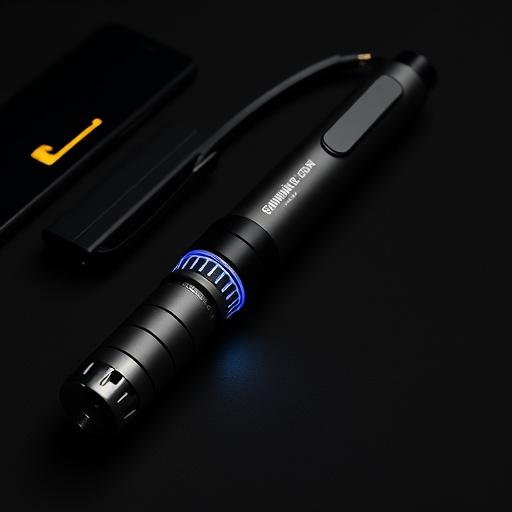
Pen stun guns (electronic control weapons) are compact, easily concealable self-defense tools that deliver powerful electric shocks through metal tips or barrels upon activation. Battery-powered and causing muscle contractions, they temporarily incapacitate attackers. Legalities vary; users should check local laws before purchasing and carrying. Modern models feature advanced technology, precise shocks without permanent harm, and safety locks for controlled usage. Growing popularity sparks debates over regulation due to potential misuse and risks of accidental discharge.
Discover the powerful world of pen stun guns with our comprehensive guide. We’ll explore how these compact self-defense devices work, delving into the science behind their disabling electrical charges. Learn about weapon safety regulations and key features that impact performance. From understanding the mechanics to navigating legalities, this article covers everything you need to know about pen stun guns.
- Understanding Pen Stun Guns: A Comprehensive Overview
- How Pen Stun Guns Work: The Science Behind the Device
- Debilitating Electrical Charge: Weapon Safety and Regulations
- Exploring Pen Stun Gun Features and Their Impact on Performance
Understanding Pen Stun Guns: A Comprehensive Overview
Pen stun guns, also known as personal stun devices or stun pens, are non-lethal self-defense tools designed to temporarily incapacitate an attacker with an electric shock. These compact and easily concealable devices have gained popularity among individuals seeking effective personal safety measures. Understanding how they work and their capabilities is essential for anyone considering carrying a pen stun gun as a means of self-defense.
A typical pen stun gun delivers a strong electrical current through a metal tip or barrel when activated, causing muscle contractions in the target area, often leading to loss of balance and temporary paralysis. The devices usually operate on battery power, with some models featuring rechargeable batteries for cost-effectiveness. Their small size allows them to be easily fitted into pockets or purses, ensuring they are readily available when needed. Pen stun guns are legal in many areas, but regulations vary, so it’s crucial to check local laws before purchasing and carrying one.
How Pen Stun Guns Work: The Science Behind the Device
Pen stun guns, also known as personal stun devices or electronic control weapons (ECWs), are non-lethal self-defense tools designed to temporarily incapacitate a target through an electrical charge. The science behind their functionality lies in the use of high-voltage, low-amperage electric pulses. When activated, these devices emit a powerful electric current that disrupts muscle control and causes intense pain in the targeted area, typically the legs or arms. This sudden jolt can immobilize an assailant for several minutes, providing the user with precious time to escape or call for help.
The stun gun’s effectiveness stems from its ability to deliver a precise electrical shock without causing permanent harm. Modern pen stun guns use advanced technology to generate and control these electric pulses, ensuring they meet safety standards while maintaining powerful performance. The device typically consists of a barrel-shaped body containing electrodes and a power source, often battery-operated. Upon pressing the trigger, a circuit is completed, allowing electricity to flow through the targeted object, rendering them temporarily unconscious or incapacitated.
Debilitating Electrical Charge: Weapon Safety and Regulations
Debilitating electrical charge weapons, commonly known as stun guns or pen stun guns, have sparked both excitement and controversy in recent years. These devices emit a powerful electric current designed to temporarily incapacitate a target, providing a non-lethal means of self-defense. However, their proliferation raises important safety and regulatory concerns.
Many countries and regions have implemented stringent regulations governing the possession, use, and sale of stun guns to ensure public safety. These rules often include age restrictions, mandatory training programs, and registration requirements. The focus on regulation is crucial due to the potential for misuse or accidental discharge, which could lead to severe injuries or even fatalities. Moreover, ongoing debates highlight the need for clear definitions of “non-lethal” weapons and standardized safety protocols to mitigate risks associated with these powerful devices.
Exploring Pen Stun Gun Features and Their Impact on Performance
Pen stun guns, despite their compact size, pack a surprising punch when it comes to self-defense tools. These devices utilize electrical current to disrupt muscle control in an assailant, providing users with a temporary yet effective means of immobilization. The impact of a pen stun gun is determined by several key features; voltage, amperage, and pulse width are the primary factors. Higher voltage generally corresponds to more intense jolts, while amperage controls the duration and intensity of muscle paralysis. Pulse width refers to the length of each electrical impulse, which influences the overall effect on the target.
Moreover, modern pen stun guns often incorporate safety mechanisms, such as locking switches, to prevent accidental activation. Some models also offer adjustable settings, allowing users to customize the intensity level according to their needs and training. These features not only enhance user control but also contribute to a safer experience during practice sessions or real-life encounters.
Pen stun guns, with their debilitating electrical charge capabilities, offer a non-lethal self-defense option. Understanding how these devices work, their safety features, and regulatory compliance is essential for responsible ownership. By exploring key features like voltage, current, and delivery mechanisms, users can make informed decisions when choosing a pen stun gun to ensure maximum effectiveness and personal safety.