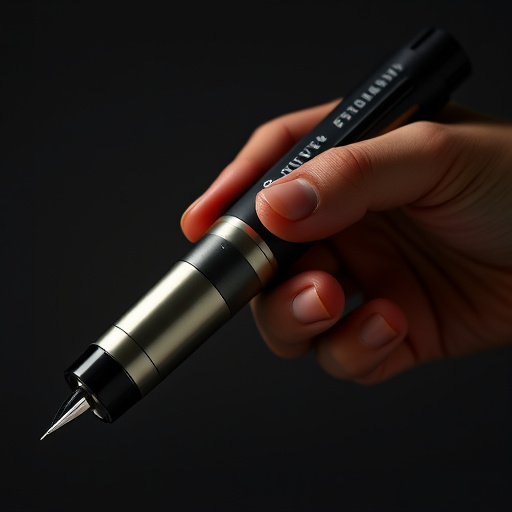
Pen stun guns (Tasers) temporarily disable individuals with an electric shock, causing muscle paralysis for 2-5 minutes. Their effectiveness and duration of effects depend on various factors like current intensity, user training, target's physicals, environment, and device settings. Recovery times vary from quick to extended periods, with most individuals recovering fully but some experiencing prolonged weakness or pain. Prompt medical attention is recommended for persistent symptoms, as rare severe reactions may occur.
“The powerful jolt of a pen stun gun, or Taser, can immobilize a target instantly. But how long does this paralysis last? Understanding the duration of post-deployment paralysis is crucial for both public safety and individual well-being. This article explores the immediate effects of pen stun gun deployment, delving into factors influencing paralysis duration, and considering potential recovery timelines and long-term impacts. Essential insights for anyone interested in the practical applications and implications of Taser technology.”
- Understanding Pen Stun Gun Deployment and Its Immediate Effects
- Factors Influencing Paralysis Duration After Taser Use
- Post-Taser Recovery and Potential Long-Term Impacts
Understanding Pen Stun Gun Deployment and Its Immediate Effects
Pen stun guns, also known as electric shock weapons or tasers, are designed to incapacitate individuals through the delivery of a powerful electrical current. When deployed, these devices typically fire two small probes connected to wires, which make contact with the target’s body. This contact initiates a high-voltage, low-current pulse that disrupts muscle control, leading to temporary paralysis. The immediate effects of pen stun gun deployment can include loss of balance, muscle spasms, and complete immobility for several seconds. This brief period of incapacitation allows law enforcement or security personnel to gain control of the situation and restrain the individual safely.
The duration of paralysis caused by a pen stun gun varies based on factors such as the model of the device, the distance between the probes and the target, and the individual’s body mass and electrical conductivity. Generally, individuals can expect to experience temporary paralysis for 2 to 5 minutes, with recovery occurring shortly thereafter. It’s important to note that proper training is crucial in deploying these devices to ensure safety for both the user and the targeted individual.
Factors Influencing Paralysis Duration After Taser Use
Several factors can influence the duration of paralysis after the deployment of a pen stun gun (Taser). One significant factor is the electrical current’s intensity and the length of time it makes contact with the target. Tasers deliver a high-voltage, low-current pulse, which can disrupt muscle function, leading to temporary paralysis. The longer the current flows, the more pronounced the effects—and thus, the longer the paralysis may last.
Another crucial element is the individual’s physical condition and body composition. People with higher muscle mass or certain medical conditions might experience prolonged immobility due to the way electricity interacts with muscles. Additionally, external factors like temperature, sweat, or wet skin can impact how well the Taser makes contact, potentially affecting the duration of paralysis. Environmental conditions, such as wind or rain, could also play a role in the effectiveness and longevity of the stun’s effects.
Post-Taser Recovery and Potential Long-Term Impacts
After the initial shock and effects of a pen stun gun (taser) wear off, individuals may experience varying recovery timelines and outcomes. The duration of paralysis caused by a taser deployment can range from a few seconds to several minutes, depending on factors such as the device’s settings, the target’s body composition, and the area of contact. While most people recover fully within a short period, some may face prolonged symptoms or potential long-term impacts.
Prolonged recovery could involve ongoing muscle weakness, pain, or difficulty moving the affected limb(s). In rare cases, individuals might experience more severe complications, including respiratory distress, heart arrhythmias, or lasting nerve damage. It’s crucial to seek medical attention promptly if any unusual symptoms persist beyond a few hours after exposure, as this could indicate a more serious reaction. With appropriate care and monitoring, most individuals can recover fully from the physical effects of a pen stun gun deployment.
The deployment of a pen stun gun, or Taser, is a complex process with immediate physical effects. Various factors influence the duration of paralysis, from individual physiology to environmental conditions. While short-term recovery is often quick, the long-term impacts on individuals affected by such devices are not fully understood. As the use of pen stun guns becomes more prevalent, further research into their effects and the potential for post-Taser syndrome is essential to ensure safe and responsible deployment.